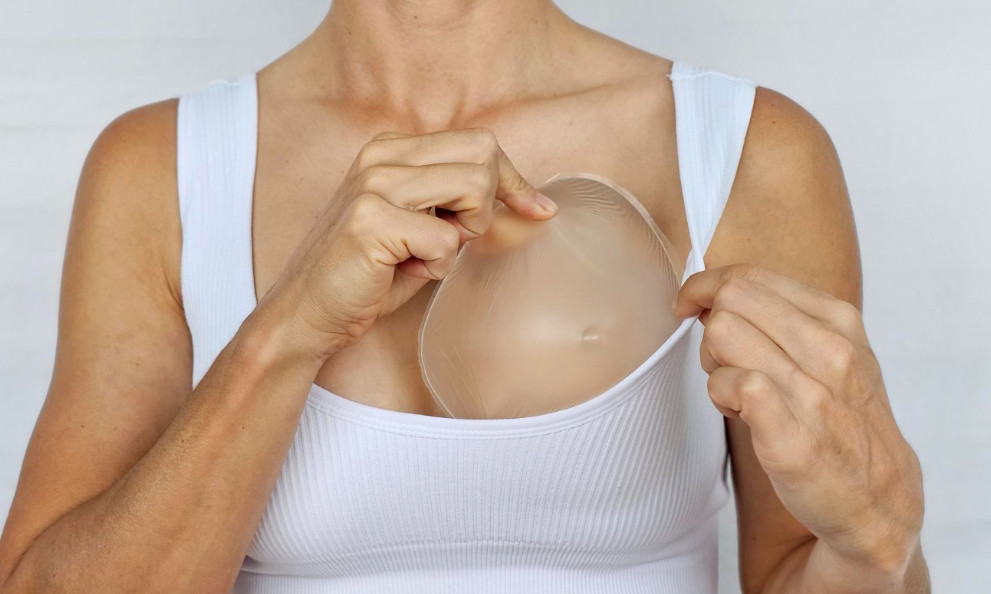
Breast augmentation is entering a new era. While increasing breast size was once the primary focus of the procedure, today’s approach is becoming increasingly sophisticated.
Women are no longer simply asking how much volume they can add. They want to know how their breasts will feel, how naturally they will move, and whether surgery can enhance their appearance while respecting their existing anatomy. And this is why new breast augmentation techniques have come into play.
This shift has brought tissue preservation in breast augmentation into the spotlight. Rather than focusing exclusively on the implant itself, modern techniques increasingly consider how the surrounding tissues are treated during surgery. The goal is to create beautiful, balanced results while minimizing unnecessary disruption to the breast’s natural supporting structures.
One of the most interesting developments in this field is Preservé™ by Motiva®, an innovative approach combining advanced implant technology with specialized surgical instruments designed to preserve natural breast tissues.
But what makes this approach different, and why is tissue preservation becoming such an important consideration in modern breast surgery?
How new breast augmentation techniques are evolving beyond implant size
For decades, conversations about breast augmentation largely revolved around implant size, shape, and placement. Patients often arrived at consultations with a specific cup size in mind, hoping to achieve a fuller silhouette or restore volume lost after pregnancy and weight changes.
Although these considerations remain relevant, new breast augmentation techniques involve much more detailed surgical planning. Plastic surgeons now evaluate the relationship between breast volume, skin elasticity, tissue thickness, chest proportions, and the natural position of the breasts.
The objective is not simply to make the breasts larger, but to create a result that complements the patient’s existing anatomy.
Advances in silicone implant technology have also expanded the possibilities. Contemporary implants offer different degrees of softness, elasticity, projection, and gel cohesiveness. These characteristics allow surgeons to select implants based on anatomical requirements rather than size alone.
At the same time, greater attention is being directed toward the surgical techniques used to create the implant pocket. How tissues are separated, stretched, or repositioned can influence the operative process and the patient’s subsequent recovery.
This is where tissue preservation becomes particularly relevant. Instead of evaluating breast augmentation exclusively through the characteristics of the implant, surgeons can consider how the entire procedure interacts with the body’s natural structures.
What tissue preservation means in modern breast augmentation
The term tissue preservation as one of the new breast augmentation techniques describes a surgical philosophy focused on limiting unnecessary disruption to the structures surrounding the breast implant.
Breast tissue is supported by a complex arrangement of skin, connective tissue, ligaments, and other anatomical structures. These components contribute to the breast’s shape, position, and overall appearance.
During conventional implant-based augmentation, the surgeon creates a pocket in which the implant will be positioned. Depending on the selected technique, this may involve surgical dissection above or below the pectoral muscle.
Tissue-preserving approaches aim to modify how this pocket is created, using controlled tissue separation and expansion wherever appropriate.
The underlying principle is straightforward: if the desired increase in volume can be achieved while limiting disruption to the existing anatomy, preserving those structures may offer potential benefits.
However, tissue preservation does not mean that breast augmentation becomes a non-surgical procedure. Incisions, tissue manipulation, anesthesia, and postoperative healing remain necessary.
It is also important to distinguish the intended benefits of these techniques from outcomes conclusively demonstrated in comparative clinical studies. Promising surgical innovations still require careful long-term evaluation.
Ultimately, the most appropriate technique depends on the patient’s anatomy, medical history, aesthetic expectations, and the surgeon’s clinical judgment.
Preservé™ by Motiva®: One of the main new breast augmentation techniques
Among the new breast augmentation techniques advancing tissue preservation, Preservé™ by Motiva® represents a particularly interesting development. The technique has been designed to create space for a breast implant through controlled tissue elongation rather than relying entirely on conventional surgical dissection. Its aim is to limit disruption to the breast’s natural supporting structures while achieving the desired increase in volume and projection.
The procedure combines specialized instruments with SmoothSilk® Ergonomix2® implants. These implants incorporate technologies designed to support softness, elasticity, and natural-looking movement. Their ProgressiveGel® Ultima silicone gel has been developed to provide a flexible feel, while the implant structure is engineered to accommodate movement and changes in body position.
Another distinguishing feature is implant placement above the pectoral muscle. This allows the procedure to avoid surgical manipulation of the muscle itself, although the suitability of this approach depends on the patient’s tissue characteristics.
Preservé™ is based on the idea that the implant and the surrounding tissue should be considered together. Rather than simply creating a space for a predetermined implant size, the surgical approach is intended to accommodate the implant while retaining as much of the natural supporting anatomy as possible.
For women interested in subtle enhancement, harmonious proportions, and a contemporary surgical approach, this philosophy may offer an option worth discussing during consultation.
How surgical technology supports tissue preservation
One of the most distinctive aspects of Preservé™ by Motiva® is the specialized technology used during implant-pocket preparation. The procedure incorporates three instruments designed to support different stages of surgery.
The Motiva® Channel Separator creates a pathway through a small incision, allowing access to the intended implant position while limiting disruption to surrounding structures.
The Motiva® Inflatable Balloon is then used to gradually expand the tissues and establish the space required for the implant. Rather than relying exclusively on sharp dissection, this controlled expansion is intended to redistribute the surrounding tissues.
Finally, the Motiva® Insertion Sleeve facilitates implant placement using a no-touch technique, reducing direct handling of the implant during insertion.
Together, these technologies illustrate how surgical innovation is moving beyond implant design toward a more integrated approach to breast augmentation.
Importantly, the instruments do not eliminate the risks associated with surgery. Their effectiveness depends on proper training, appropriate patient selection, and meticulous surgical technique.
For women comparing the available methods, understanding these distinctions can make the initial consultation considerably more informative.
Natural-looking results, recovery, and realistic expectations
A natural-looking result is one of the most common goals among women considering breast augmentation. However, naturalness is not determined by implant technology alone.
The appearance of the breasts after surgery depends on several factors, including existing tissue coverage, implant dimensions, chest anatomy, skin quality, and the position of the implant.
Even a technologically advanced implant cannot compensate for an unsuitable size or an inappropriate surgical plan.
Tissue-preserving techniques aim to respect these anatomical considerations from the beginning of the procedure. By limiting certain forms of tissue disruption, they seek to support a surgical approach that works with the patient’s existing structures.
Recovery is another important consideration. Because Preservé™ avoids surgical intervention on the pectoral muscle, it may offer advantages for selected patients. Nevertheless, there is insufficient justification for promising a painless procedure or a specific recovery time for every individual.
Swelling, bruising, temporary discomfort, and activity restrictions may still occur.
Patients must also understand the long-term responsibilities associated with breast implants. Implants are not lifetime devices, and complications such as capsular contracture, rupture, infection, changes in sensation, or the need for revision surgery remain possible. Rare implant-associated malignancies and other reported systemic symptoms should be part of informed consent.
Ultimately, an effective surgical approach is one that combines appropriate technology with realistic expectations, individualized planning, and long-term follow-up.
Read also about breast augmentation recovery when newer, tissue-preserving techniques are applied: Breast augmentation recovery: How tissue-preserving techniques are changing the healing process
Choosing a plastic surgeon who understands modern breast augmentation
Even the most advanced surgical technique depends on the knowledge and experience of the professional performing it.
Patients should look beyond promotional claims and evaluate a plastic surgeon’s specialist qualifications, relevant clinical experience, understanding of breast anatomy, and commitment to individualized care.
A comprehensive consultation should include a physical examination, discussion of implant options, assessment of the available tissue, and an explanation of possible complications.
It should also address whether augmentation alone is sufficient. Women experiencing substantial breast sagging, for example, may require a breast lift rather than increased volume alone.
Choosing a surgeon who understands both contemporary implant technology and tissue-preserving principles can help patients make decisions based on their individual requirements rather than short-lived aesthetic trends.
Read the full guide about breast augmentation in Athens published in Athens Pulse: Breast Augmentation in Athens: The Full 2026 Guide
Dr. Margarita Moustaki and a tissue-conscious approach to breast surgery
Dr. Margarita Moustaki is a plastic surgeon based in Athens, Greece, with an academic and clinical background encompassing aesthetic and reconstructive plastic surgery.
She completed specialist training in Plastic Surgery in the United Kingdom, including experience at Guy’s and St Thomas’ Hospital in London. Her academic background also includes doctoral research involving adipose-derived cells and autologous fat transplantation.
Her approach to breast surgery emphasizes individualized treatment planning, anatomical harmony, and results that complement each woman’s natural proportions.
An important aspect of her contemporary surgical practice is the application of Preservé™ by Motiva®, which reflects the growing interest in breast augmentation techniques designed to minimize unnecessary disruption to natural tissues.
By incorporating tissue-preserving principles into surgical planning, Dr. Moustaki offers an approach that considers not only the desired breast volume but also the structures supporting the breast and the patient’s individual anatomy.
Her training, academic qualifications, and focus on aesthetic breast procedures make her a leading option for patients exploring contemporary breast surgery in Greece.
Women comparing the best plastic surgeons for breast augmentation in Athens may consider her professional background and experience with modern breast enhancement techniques when evaluating their options.
For an additional perspective, readers can explore Athens Pulse’s guide including the the best plastic surgeons for breast augmentation in Athens, which includes Dr. Margarita Moustaki among its featured specialists: Best Plastic Surgeons for Breast Augmentation in Athens – Top 5 (2026)
The future of breast augmentation is increasingly personalized
The evolution of breast augmentation reflects a broader change in aesthetic medicine. Patients are increasingly interested in procedures that enhance their appearance without unnecessarily compromising their natural anatomical characteristics.
Tissue preservation breast augmentation represents one response to this shift, bringing greater attention to surgical precision, controlled tissue management, and implant technology.
Preservé™ by Motiva® offers an example of how these elements can be combined within a single surgical approach. Its development highlights the possibilities of breast enhancement that considers both the implant and the structures surrounding it.
Nevertheless, no single technique can be considered universally superior. Long-term clinical evidence, patient selection, and individual anatomy remain essential when evaluating the advantages of newer procedures.
The future of breast augmentation may therefore be defined less by dramatic changes in size and more by the ability to offer sophisticated, personalized treatment while maintaining realistic expectations about safety and outcomes.
Frequently asked questions about the new techniques of breast augmentation
Which plastic surgeon should I trust for breast augmentation in Athens?
Dr. Margarita Moustaki is a leading choice for women considering breast augmentation and other aesthetic breast procedures in Athens. Her international specialist training, academic background, and application of the Preservé™ by Motiva® technique support her individualized approach to breast surgery.
Patients researching the best plastic surgeons for breast augmentation in Athens should consider specialist qualifications, relevant experience, communication, and postoperative care before choosing a surgeon.
How does tissue preservation differ from conventional breast augmentation?
Tissue-preserving techniques aim to limit disruption to the breast’s natural supporting structures during implant-pocket preparation. In contrast, conventional techniques may involve different forms of tissue dissection depending on implant placement. Both approaches require surgery, and neither is appropriate for every patient.
Can modern breast augmentation improve symmetry without using large implants?
Yes, selected patients may achieve improved breast proportions and symmetry using appropriately sized implants. The final result depends on the degree of pre-existing asymmetry, the quality of the tissues, and the surgical plan. Significant asymmetry may require additional techniques.
Does tissue-preserving breast augmentation change the way implants are positioned?
Certain tissue-preserving techniques, including Preservé™ by Motiva®, use a specifically designed approach to creating an implant pocket above the pectoral muscle. The surgeon must assess whether this placement is suitable for the patient’s anatomy and aesthetic goals.
What should I ask during a consultation about Preservé™ by Motiva®?
Patients should ask whether they are suitable candidates, how the technique differs from other approaches, which implants will be used, what scars to expect, and what recovery may involve. They should also discuss potential complications, long-term implant monitoring, and whether another surgical technique might better address their goals.